
A study of John 10:31-42 reveals a murderous crowd, an Old Testament passage that makes them pause, and a reason to believe in Jesus.
A study of John 10:31-42 reveals a murderous crowd.
I have shown you many good works from the Father; for which of them are you going to stone me?” (ESV, John 10:32)
In a dialogue with a group of Jews in John 10:22-29, Jesus uses the analogy of a shepherd’s relationship with his flock of sheep to describe his relationship with believers. As sheep recognize the voice of their shepherd and follow him, so do believers recognize Jesus’ voice and follow him. But then, Jesus makes a statement in V.30 that angrily incites the crowd. “I and the father are one.” And they respond by gathering rocks to stone him.
However, they pause when Jesus asks them a question. Which one of the many miracles that he performed are they going to stone him for? And their answer? They intend to stone him because it’s blasphemy for a man to claim he is God. This law is expressed in Leviticus 24:16.
Whoever blasphemes the Name of Yahweh shall surely be put to death; all the congregation shall stone him.
But it is not condoned as an act of mob justice. The Mosaic law outlined a legal process and trial before executing justice. What the Jews were planning was murder. And it was further prohibited by Roman law, which reserved the right to carry out executions.
Sadly, the Jews did not deny Jesus’ miracles. In fact, many had admitted the miracle of giving sight to a man born blind was only possible by the power of God. But they were willing to unjustly kill him anyway because they refused to believe he was the Messiah.
A study of John 10:31-42 reveals an Old Testament passage that makes them pause.
Jesus answered them, “Is it not written in your Law, ‘I said, you are gods’? If he called them gods to whom the word of God came—and Scripture cannot be broken— do you say of him whom the Father consecrated and sent into the world, ‘You are blaspheming,’ because I said, ‘I am the Son of God’? (ESV, John 10:34-36)
Jesus keeps the conversation going with the angry Jews by quoting from Psalm 82:6-7. Was this a strategy to de-escalate the situation? Possibly. It certainly demonstrated that he was equally knowledgeable of scripture.
What’s going on in Psalm 82?
God has taken his place in the divine council; in the midst of the gods he holds judgment: (ESV, Psalm 82:1)
The scene is a divine courtroom setting with God, as the supreme judge, condemning earthly judges for unjust practices. He calls them gods because they are his appointed representatives for justice. But they are failing in their assignment. The Hebrew word used in V.1 for “God” and “gods” is the same–ĕlōhîm. It’s used in a singular form to mean God and in a plural form to mean gods. It appears around 2,600 times in the Old Testament and can refer to:
- The one true God (Yahweh)
- False gods/idols
- Human rulers/judges (representatives exercising delegated authority
I said, “You are gods, sons of the Most High, all of you; nevertheless, like men you shall die, and fall like any prince. (ESV, Psalm 82:6-7)
Yaweh, the supreme God, reminds the human judges they serve according to his soveriegn will and ultimately answer to him. Furthermore, they are men who will eventually die as men.
Managing a tense situation.
Jesus faces angry Jews with rocks who want to kill him because he claims to be God. So he quotes Psalm 82:6 that refers to men as gods and reminds them scripture must be respected as God’s word. Therefore, if God can call men gods, as the one sent from the father, it’s not blasphemy for Jesus to call himself the Son of God. Especially since that is exactly who he is.
Perhaps using Psalm 82 that condemned unjust judges reminded them they were about to commit an act that condemned them too. It certainly violated Roman law that only permitted Rome to carry out executions.
A study of John 10:31-42 reveals a reason to believe in Jesus.
If I am not doing the works of my Father, then do not believe me; but if I do them, even though you do not believe me, believe the works, that you may know and understand that the Father is in me and I am in the Father.” (ESV, John 10:38-39)
Finally, Jesus appeals to their common sense. If they won’t believe what he says, then believe based on his miracles. They admitted that healing a man born blind was only possible through the power of God. It should logically lead them to the conclusion that he is in the father and the father is in him.
However, they still refused to believe in him and seek to arrest him instead. It was, at least, better than killing him. But he eluded them and went across the Jordan to the area where John the Baptist had ministered. And the chapter ends on a positive note.
And many believed in him there. (ESV, John 10:42.
About Chip Tudor:
Chip Tudor is a Christian author, blogger and professional writer. He publishes books, humorous Christian drama, and thought provoking blogs from a Christian worldview. This blog is originally published here.
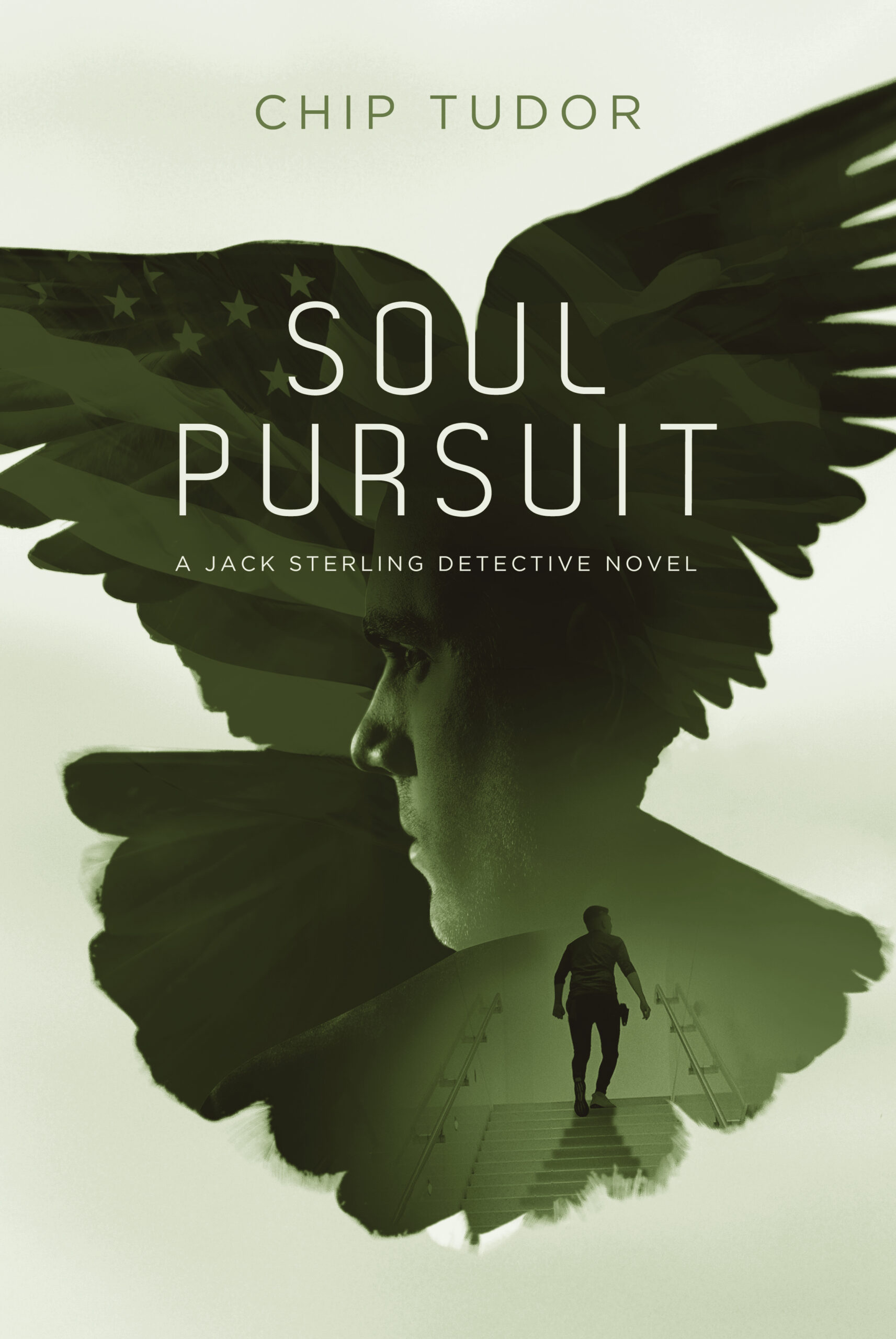
A Christian Detective Novel
Jack Sterling, a former Navy SEAL, is hired as a bounty hunter to track down a war veteran who skipped out on bail. But at the same time, must resolve his own spiritual crisis. With grit, wit, and unexpected grace, Soul Pursuit proves that the hardest chase is for something deeper. A soul worth saving.
Click Here to view on Amazon